
By 2026, the “5G Network” technology will change the way people connect in Pakistan, giving them faster internet speeds, less lag, and connections that are always reliable. The 5G Network lets real-time applications work across many fields, such as self-driving cars and virtual reality games. 4G does not. Telecom companies in Pakistan are expanding their coverage in big cities, and the government is backing policies that speed up the country’s digital infrastructure. This makes 5G a key driver of economic growth and technological progress.
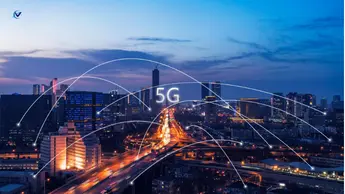
The 5G Network is more than just faster internet. It lets smart devices, IoT systems, and AI-driven apps work together without any problems, opening up new possibilities for both startups and big businesses. These new technologies will be especially helpful for young people, tech fans, and gamers in Pakistan.
The 5G network is changing how people use their phones and play games.
For gamers and people who watch videos, the 5G Network in Pakistan means super-fast downloads, almost no lag in online multiplayer games, and smooth streaming of high-definition video. 5G-enabled devices are expected to help industries like e-sports and cloud gaming grow. Mobile apps that use augmented reality (AR) and virtual reality (VR) will also become very popular, opening up new ways to learn and have fun.
5G Network connectivity supports more than just gaming. It also supports telemedicine, remote learning, and virtual collaboration tools, which are becoming more and more important in Pakistan’s cities and towns. 5G changes the way people work, learn, and socialize online by lowering latency and making sure fast access.
How 5G networks are used in industry and smart cities
The 5G Network is making it possible for factories in Pakistan to use automation, connect to the Internet of Things (IoT), and use AI-powered analytics. Smart sensors can send real-time data to central systems, which makes operations run more smoothly, maintenance more accurate, and energy use more efficient.
5G Network makes it easier for smart city projects to keep an eye on traffic, turn on smart street lights, and set up public safety systems. Cities like Islamabad, Karachi, and Lahore are testing 5G-connected infrastructure to make services easier and better for citizens. The 5G Network’s low latency makes sure that important applications like emergency response and self-driving systems work well and reliably.
Benefits of deploying a 5G network
The 5G Network has a lot of benefits for Pakistan, such as:
- High-Speed Connectivity: Speeds of up to 10Gbps make it easier to download, stream, and work in the cloud.
- Low Latency: Real-time apps, AR/VR, and industrial automation all work without delays.
- IoT Enablement: Millions of connected devices can work together smoothly, making smart homes and factories possible.
- Economic Growth: Helps new businesses, digital services, and tech innovation in all areas.
5G Network integration improves both customer experiences and business productivity, making it a key technology for Pakistan’s digital future.
Problems with expanding the 5G network
5G Network deployment in Pakistan has a lot of potential, but it also has a lot of problems to deal with:
- Costs of Infrastructure: 5G towers and fiber networks need a lot of money to build.
- Rural Coverage: It’s still hard to get high-speed internet to rural and remote areas.
- Regulatory Compliance: Safety rules, spectrum allocation, and licensing rules need to be updated all the time.
Older smartphones and IoT devices might not be able to use all of the 5G features. Pakistan needs to solve these problems in order to get everyone in the country to use 5G and make sure that everyone has the same access to it.
Trends and chances for the future in Pakistan
In the future, the 5G Network in Pakistan will probably open up chances in many areas:
Telemedicine and remote services: video calls with doctors that are high quality and medical devices that are connected.
- Cloud Gaming and eSports: smooth experiences with little lag.
- Smart Agriculture: Farming with IoT that is precise and can be monitored in real time.
- Startups and innovation hubs: tech entrepreneurs using 5G to make AI, AR/VR, and IoT solutions.
Global 5G leaders like Ericsson and Huawei are giving Pakistan’s telecom companies the tools they need to speed up the rollout. At the same time, local startups are looking into 5G-driven innovations that meet the needs of the country.
Conclusion
The 5G Network in Pakistan 2026 is more than just faster internet; it’s a game-changing technology that will change industries, gaming, smart cities, and digital innovation. Pakistan is ready to fully take advantage of the benefits of the 5G Network thanks to better infrastructure, government support, and private sector involvement. Businesses and developers who adopt early will open up new opportunities, and consumers will have better mobile experiences. The 5G Network is going to change Pakistan’s tech scene in a big way, bringing together global innovation and local implementation.
Follow the latest News Updates only on Viral Feed!